
The farm is called Laitue St-Jacques. Lettuce? That’s their specialty. The name St-Jacques? Known from New York to Boston, from Toronto to Chicago!
Mid-October. There are still lettuces in the fields of Sainte-Clotilde. They’re precious. They’ve been carefully tended for weeks—fighting prolonged droughts, choking weeds, and attacks from aphids and downy mildew—but now, it’s the frost that poses the biggest threat. Samuel St-Jacques lifts a floating row cover that helps retain a few extra degrees of warmth. It’s 7:15 a.m., the sun is rising—the battle is won.
At the edge of the field, the harvester comes to life: 24 cutters place lettuces onto conveyors. They are packed and boxed right in the field, but must quickly be moved to the vacuum cooler, which removes heat and moisture to ensure better post-harvest preservation. Shipment to market happens the very same day—freshness is everything. To earn an extra dollar per box, the St-Jacques family strives for consistent quality. St-Jacques lettuce is sought after the same way people look for Neuville corn!
Efficient vegetable production
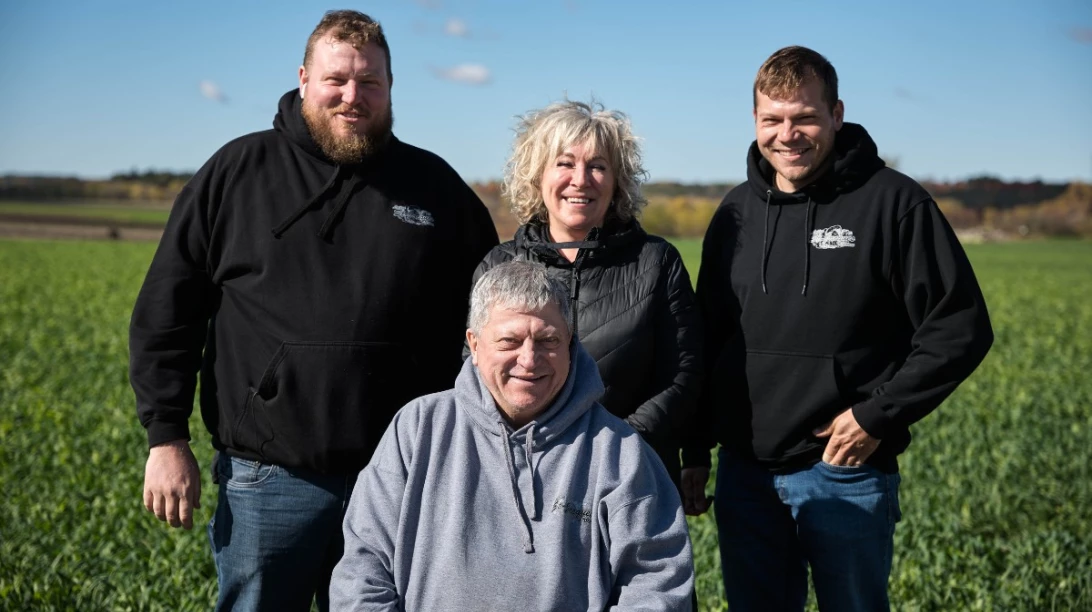
clearing land while working at Alcan in Beauharnois, would sit him on the tractor to operate the digger that unearthed one row of potatoes at a time. Robert couldn’t even reach the pedals!
Ten years ago, the breakup of the family farm led to the creation of Laitue St-Jacques.
In 2006, an ATV accident left Robert quadriplegic. After six months of rehabilitation and the unwavering support of his partner, Linda Lemieux, he returned to his fields, getting around in an adapted pickup truck. Disability or not, he is still the first in the field and the last to leave.
“I don’t try to do what I used to—it’s impossible,” he explains. “I focus on doing better what I can still do: sales and connecting with employees.”
And advising his sons. The transfer of responsibilities is well underway. While Robert has kept only one client and takes a more hands-off approach, Nicolas handles the rest.
One of Linda and Robert’s two sons, Nicolas always seems to have an earbud in—managing inventory, organizing deliveries, exchanging pricing information, and keeping CanadaGAP food safety and certification records up to date. His days often start like a boxer on the edge of the ring—sitting on the side of the bed, texting and responding to urgent matters.
For 16 years, he delivered and negotiated vegetable products overnight at the central market. Being a truck driver was always his dream. His partner, Jade, who holds a Class 1 license, runs a vegetable transport business and fully understands his lifestyle.
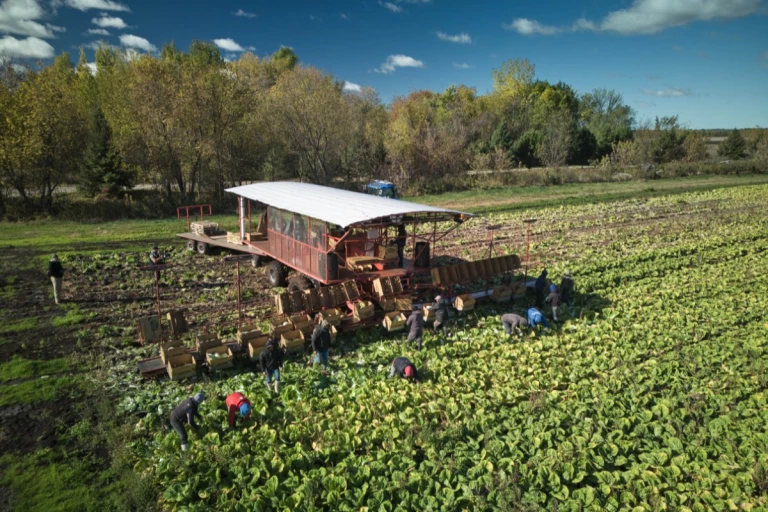
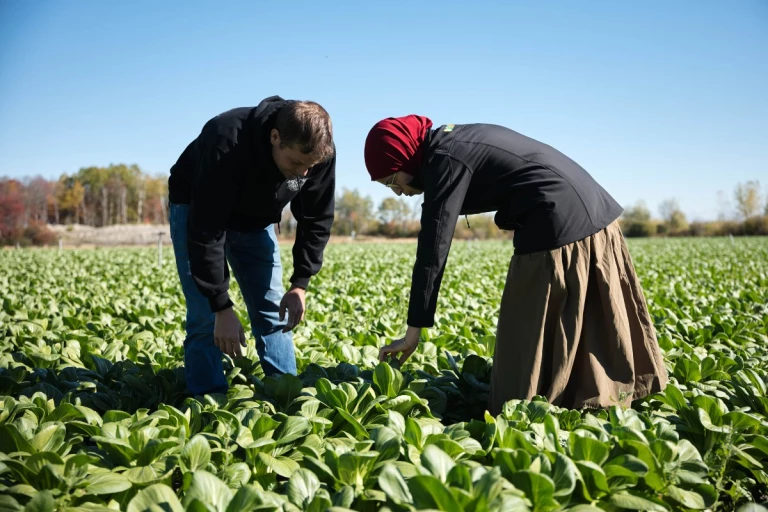
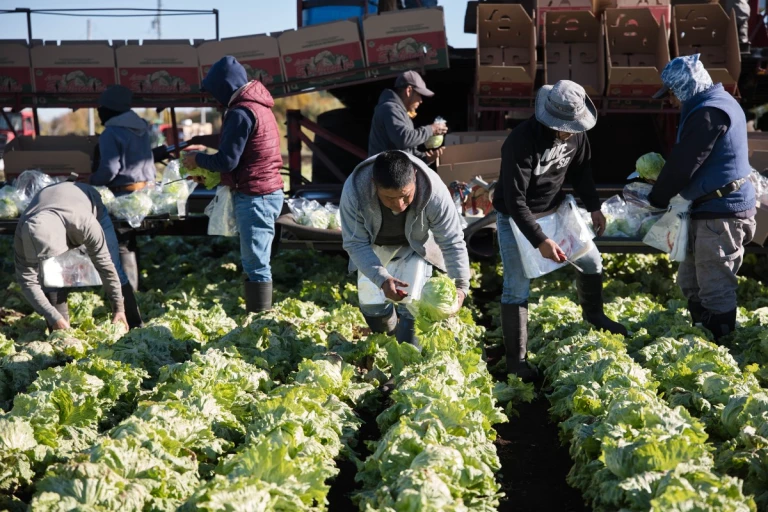
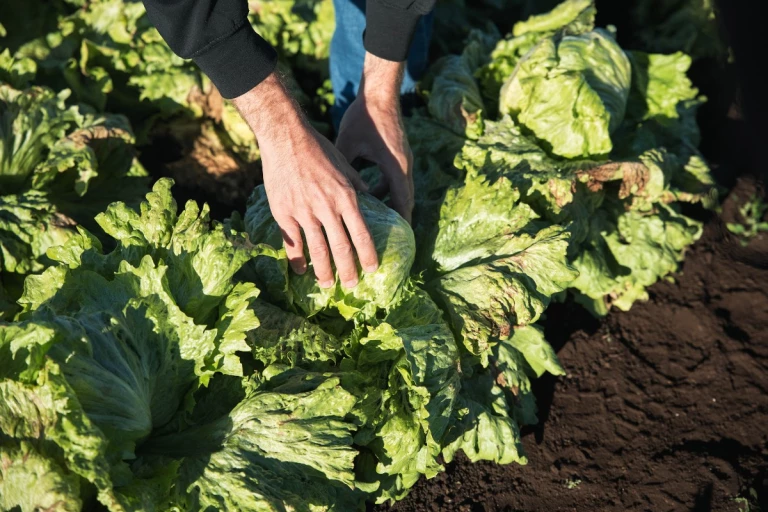
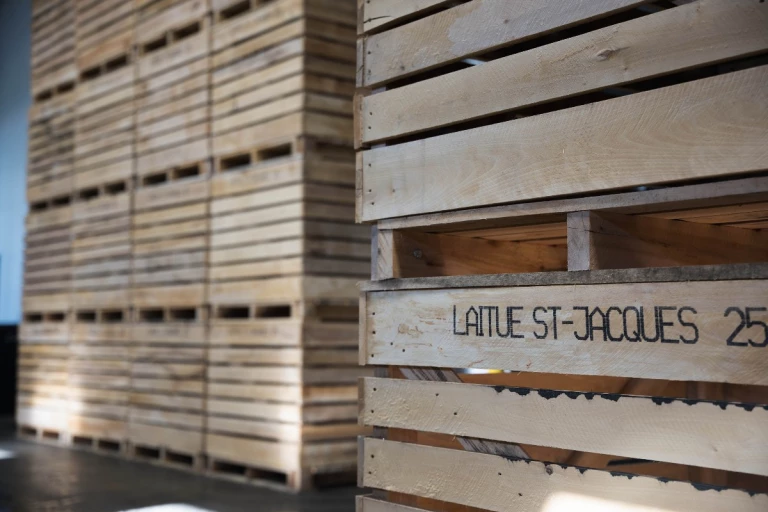
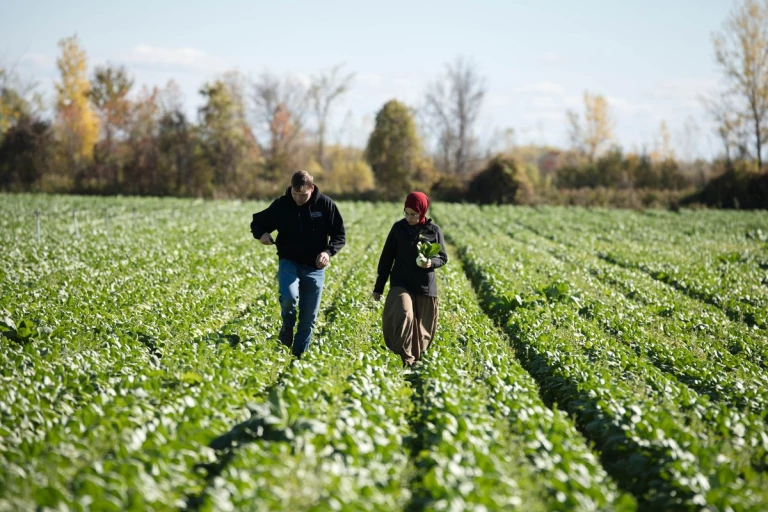
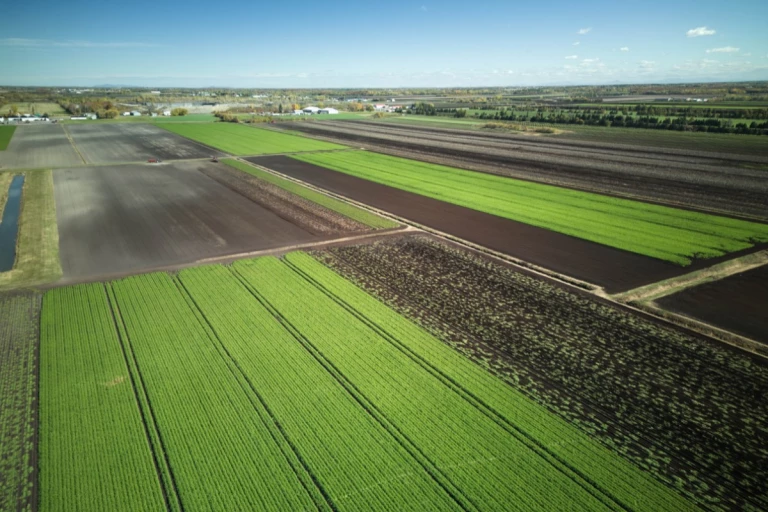
Photo credit: Alex Chabot
Linda is “the backbone of the business”—the one who brings everything together. If the offices next to the warehouse are clean and beautifully organized, it’s thanks to her. She takes pride in doing things properly, whether it’s accounting, management, or human resources.
Wanting to protect her sons, she didn’t encourage them to go into vegetable farming, fully aware of the sacrifices involved—regular weeks in the winter, double weeks in the summer. A native of Sainte-Clotilde, she once picked beans before pursuing studies in legal secretarial work to move away from agriculture… but then Robert crossed her path!
In the fields, the next generation is led by Samuel. On a weekly basis, he works closely with Uniag Cooperative’s vegetable production expert, agronomist Raja Massaoudi. Transplanting, fertilizing, spraying—he’s always on the move.
When it came time to invest in smart precision weeding equipment, the brothers built a solid case. “They ran the numbers to show us how much we would save in labor and pesticides,” Linda explains, highlighting their commitment to innovation and maintaining the farm’s financial health.
His partner, Véronika, a bean producer, runs her own vegetable operation and fully understands his lifestyle—déjà vu?
And the farm transfer?
For a full year, we worked with a business transfer specialist to ensure nothing was left to chance—to clear the air, address unspoken issues, and most importantly, communicate them properly. The transfer began with a 20% share ownership gifted to the next generation. Co-management will likely continue for about five years, though formal meetings tend to be rare once lettuce harvest is underway.
Quality vegetables grown on mineral or organic soils, by a farm where the transfer is progressing smoothly. A transfer, in every sense, grounded in reality.
This article was originally published in the March 2026 issue of Le Coopérateur.